

Is a field sobriety test mandatory in Georgia?
No, field sobriety tests are voluntary in Georgia, and you can decline them without the automatic license penalty that follows refusing a state-administered chemical test.
Blue lights come on behind you on a Friday night. The officer asks whether you have had anything to drink, then asks you to step out and follow a pen with your eyes, walk a straight line, and balance on one leg. It feels like an order. Most drivers assume they have no say in it.
You do have a say. In Georgia, field sobriety tests are voluntary, and knowing that before you are ever pulled over can change how a DUI stop unfolds. This post explains what these tests are, what the law actually requires, and what declining does and does not cost you.
The Roadside Bottom Line
- Field sobriety tests, meaning the eye test, the walk-and-turn, and the one-leg stand, are voluntary in Georgia. You can politely decline.
- The small handheld breath device at the roadside is also voluntary, and its number is not admissible to prove your exact alcohol level.
- The official chemical test at the station or hospital is different. It falls under Georgia’s implied consent law, and refusing it can cost you your license.
- Declining the roadside tests does not trigger that automatic suspension, though an officer can still arrest you on other evidence.
- What you say and do in the first few minutes shapes the whole case. Stay calm, stay polite, and ask for a lawyer.
What Counts as a Field Sobriety Test in Georgia?
A field sobriety test is a roadside check an officer uses to gather evidence that you are impaired. These tests are built to make a case, not to clear you. Georgia officers typically rely on three standardized tests approved by the National Highway Traffic Safety Administration.
What Are the Three Standardized Field Sobriety Tests?
The three standardized tests are the horizontal gaze nystagmus test, the walk-and-turn, and the one-leg stand. In the eye test, the officer watches your eyes track a stimulus and looks for involuntary jerking. The other two ask you to follow instructions while balancing and walking, so the officer can count “clues” of impairment.
Is the Roadside Breathalyzer a Field Sobriety Test?
The small handheld device an officer offers at the roadside, often called an Alco-Sensor, is treated as a field test in Georgia. It is voluntary. Its result can show the presence of alcohol, but the specific number it produces is not admissible in court to prove your blood alcohol level.
Do You Have to Take Field Sobriety Tests in Georgia?
No. Georgia law does not require you to perform field sobriety tests, and there is no license penalty for declining them. These tests depend entirely on your cooperation. An officer may make them sound mandatory, but you can respectfully say you would rather not perform them.
There are good reasons drivers decline. The tests are subjective, and the officer scoring them has usually already decided something looks off, or you would not be standing on the roadside. Nerves, bad footwear, uneven pavement, and flashing lights all produce “clues” that have nothing to do with alcohol.
How Do I Decline Politely Without Making Things Worse?
Keep it simple and respectful. You can tell the officer you understand they are doing their job and that you would prefer not to do roadside tests. Do not argue, run, or lie about who you are. Hand over your license and registration, stay calm, and repeat that you want to speak with a lawyer.
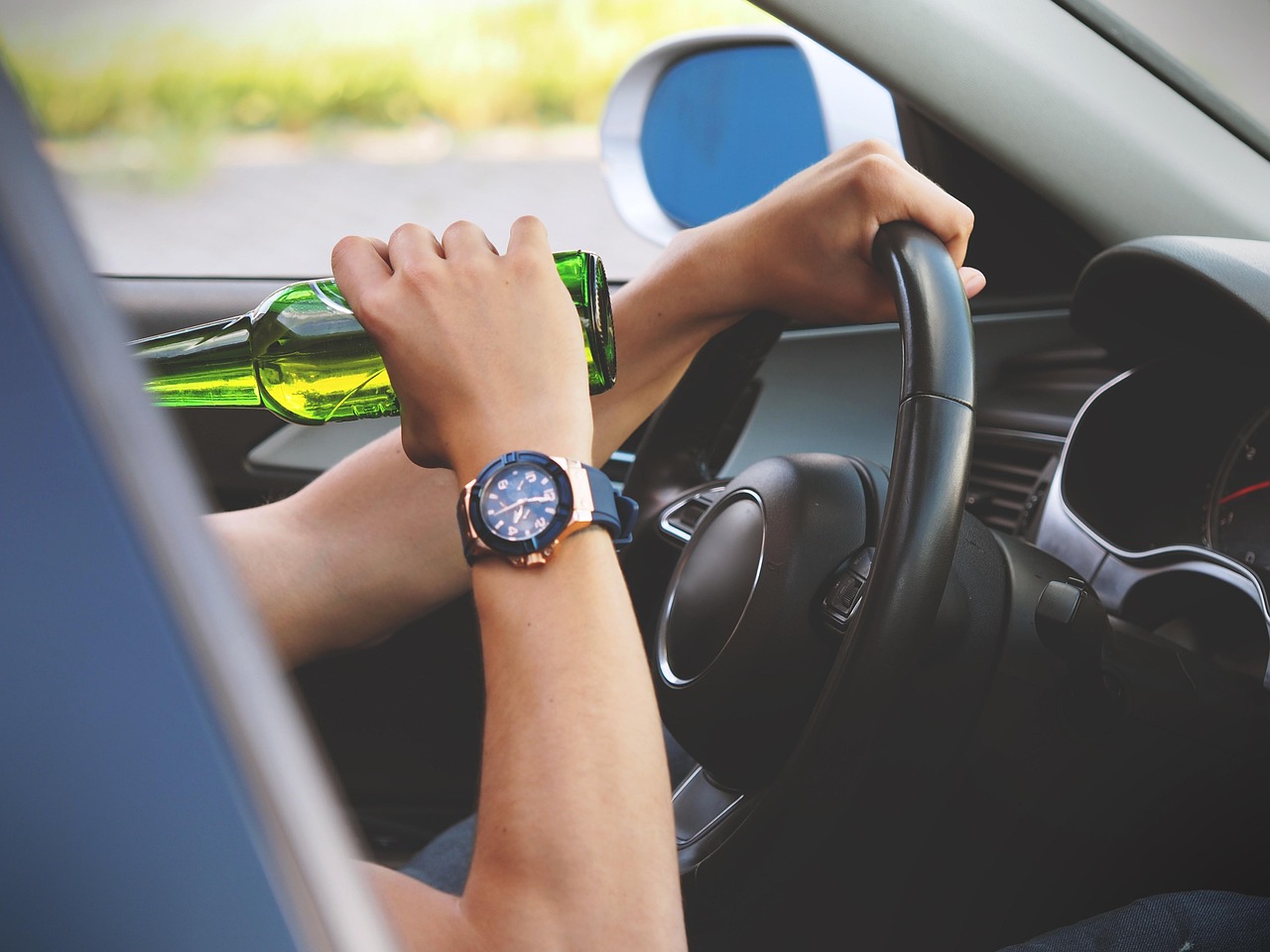
Why Field Sobriety Tests Are Easier to Fail Than You Think
Even a sober person can give an officer “clues” on these tests. They were designed under controlled conditions, not on a dark shoulder of I-285 with traffic rushing past. The scoring leans on the officer’s judgment, and a driver who is nervous or tired can read as impaired.
What Can Make a Sober Driver Fail?
Plenty of ordinary things skew the results. Common ones include:
- Inner ear problems, vertigo, or old injuries that affect balance
- Back, knee, hip, or leg conditions that make standing on one foot hard
- Being over 65, or carrying extra weight, groups the tests are known to disadvantage
- Uneven or sloped pavement and roadside gravel
- Flat or slick shoes, work boots, or heels
- Flashing lights, passing traffic, and plain fear
Does the Eye Test Really Prove I Was Drinking?
Not on its own. The horizontal gaze nystagmus test looks for involuntary eye jerking, which alcohol can cause. So can fatigue, some medications, caffeine, and the natural nystagmus that certain people simply have. An officer is not a doctor, and the result is far from conclusive proof of impairment.
Field Sobriety Tests vs. the Official Chemical Test
This is the distinction that trips up most people. Georgia treats roadside field tests and the official chemical test very differently, and confusing the two can cost you your license.
What Is Georgia’s Implied Consent Law?
Under Georgia’s implied consent law, O.C.G.A. § 40-5-55, driving on Georgia roads means you have already agreed to submit to a state-administered chemical test of your blood, breath, or urine if you are lawfully arrested for DUI. This is the official test, usually given at the station or a hospital after arrest, not the roadside tests.
What Happens if I Refuse the Official Chemical Test?
Refusing the state-administered test can lead to a driver’s license suspension that is separate from the criminal DUI case itself. The officer is required to read you an implied consent notice at the time of arrest. You then face a hard choice with real consequences, which is exactly why having counsel matters.
What Refusing Actually Costs You in Georgia
Refusing carries different consequences depending on which test you refuse, and Georgia courts have reshaped this area in recent years.
Can My Refusal Be Used Against Me at Trial?
For breath tests, no. In Elliott v. State (2019), the Georgia Supreme Court held that the state constitution’s protection against self-incrimination bars the state from using your refusal to blow into the official breath machine as evidence of guilt at your criminal trial. That was a major shift in Georgia DUI law.
Will I Still Lose My License for Refusing?
Possibly. A refusal of the state chemical test can still trigger an administrative license suspension, a civil action handled through the Department of Driver Services and separate from the criminal charge. You have a short, strict deadline, currently 30 days from the notice, to challenge that suspension or to install an ignition interlock device, so acting fast is critical.
Why the First Few Minutes Matter So Much
A DUI case is often won or lost on the roadside, before anyone reaches a courtroom. The officer’s report, the dashcam footage, and the “clues” they claim to have seen become the backbone of the prosecution. Everything you volunteer becomes part of that record.
A calm, informed response is worth a great deal. You cannot talk your way out of an arrest, but you can avoid handing the state extra evidence. Politely declining voluntary tests and asking for a lawyer are not admissions of guilt. They are you protecting your rights.

What Should I Do Right After a DUI Stop in Georgia?
A few steps protect you no matter how the night is going:
- Be polite, and hand over your license, registration, and proof of insurance.
- Decline the roadside tests calmly, without arguing or explaining yourself.
- Do not admit to drinking or answer questions about where you have been.
- Say clearly that you want to speak with a lawyer, then stop talking.
- Write down everything you remember about the stop as soon as you can.
Arrested or charged with DUI in metro Atlanta? Call Hines Law Firm for a free, confidential case review, in English or Spanish.
Can a Georgia DUI Lawyer Challenge the Test Results?
Yes, and it is one of the most valuable things a defense lawyer does. Field sobriety and chemical tests are not automatic proof. They rest on proper procedure, working equipment, and an officer’s judgment, and each of those can be questioned.
What Parts of a Field Sobriety Test Can Be Attacked?
Quite a few. A lawyer can question whether the officer gave correct instructions, scored the test fairly, and accounted for your medical conditions, the lighting, and the road surface. Dashcam and bodycam footage often contradicts what an officer wrote in the report, which can undercut the state’s version of events.
Can the Official Breath Test Be Wrong?
Yes. The breath machine used at the station has to be maintained, calibrated, and operated by a trained officer. Missed maintenance, operator error, or certain medical conditions can produce a falsely high reading. A lawyer who knows these machines can request the records and look for the gaps.
What if the Officer Skipped the Implied Consent Notice?
It can matter a great deal. Georgia requires the officer to read the implied consent notice at the right time and in the right way. If they got the timing or the wording wrong, a lawyer may be able to keep the test result, or the refusal, out of your case. These procedural details decide real cases.
Questions Georgia Drivers Ask Our DUI Attorneys
Can I Be Arrested if I Refuse Field Sobriety Tests?
Yes. Declining the tests does not prevent an arrest. An officer can still arrest you based on other observations, such as the smell of alcohol, your driving, or your own statements. But refusing removes one category of subjective evidence the state would otherwise use to build its case.
Do I Have to Get Out of the Car if the Officer Asks?
Yes. Once you are lawfully stopped, an officer can order you to step out of the vehicle, and you should comply. Stepping out is different from performing field sobriety tests. You can get out of the car and still decline the roadside balancing and walking tests.
Is It Smarter to Refuse the Breath Test or Take It?
There is no single right answer, and it turns on the facts. Refusing avoids giving the state a number, but it can lead to a license suspension. Taking the test gives the state evidence yet may keep your license active longer. This is a decision to make with a lawyer, and quickly.
Should I Call a Lawyer After a Chemical Test or After Receiving an ALS Form?
Yes, and as soon as you can. If the officer gave you a DDS Form 1205 after a refusal or a test result over the legal limit, that form is your administrative license suspension (ALS) notice, and it starts the 30-day window to request a hearing or apply for an ignition interlock permit. A DUI lawyer can review the form and your test result, explain the tradeoffs for your situation, and act to protect both your license and your defense before that deadline passes.
Talk to a Georgia DUI Lawyer Today
Knowing your rights on the roadside is the first step. Using them well, and having someone in your corner afterward, is the next. Hines Law Firm defends drivers across metro Atlanta, including Gwinnett, Fulton, DeKalb, Cobb, Clayton, Hall, Cherokee, Forsyth, Paulding, and Douglas counties, against DUI charges, in English and in Spanish, and we know how these cases are built and how to take them apart.
If you are facing a DUI, do not wait for the license deadlines to slip by. Call Hines Law Firm for a free, confidential consultation, and let us help you understand your options and protect your record.